Sunday, December 7, 2014

Chapter 15: California

Los Angeles is the largest city in California with a population of 3.884 million (2013 Census). We make up 10% of the population of CA. California alone holds one tenth of the population of the United States. This makes us the most populous state in the country. The population of California is larger even than the entire country of Canada.
Most of California is made up of a Mediterranean climate. This means that Los Angeles is subject to hot dry summers and cool and occasional rainy winters. Rain here is rare even rarer lately than usual. California is made up of three large areas; mountains that parallel the coast, interior valleys and higher mountain ranges in the east. Los Angeles sits just west of the Transverse Ranges. Much of Los Angeles lays in desert areas, while a great deal is made up of coastal regions. The state is rather long latitudinally speaking so the weather and the growing conditions varies greatly based off of the latitude of the region in question. Our great state has been shaped by many earthquakes. From strike slip faults to lateral faults such as the San Andreas, our landscape is always shifting (if even just slightly).
Water in the state has always been a bit of an issue. Here in Los Angeles we take our water from the Colorado River, in essence we are draining lake Mead. The Los Angeles Aquaduct is the reason our population here in Los Angeles is even possible.  The Aqueduct not only feeds water into the city but electricity as well. This was the dream of William Mulholland. With the vast amounts of water we consumer here, we have done lots of damage to many of the lakes north of us. Though through recent efforts they have been able to begin to refill Mono Lake and even leave some water in the Lower Owens River.
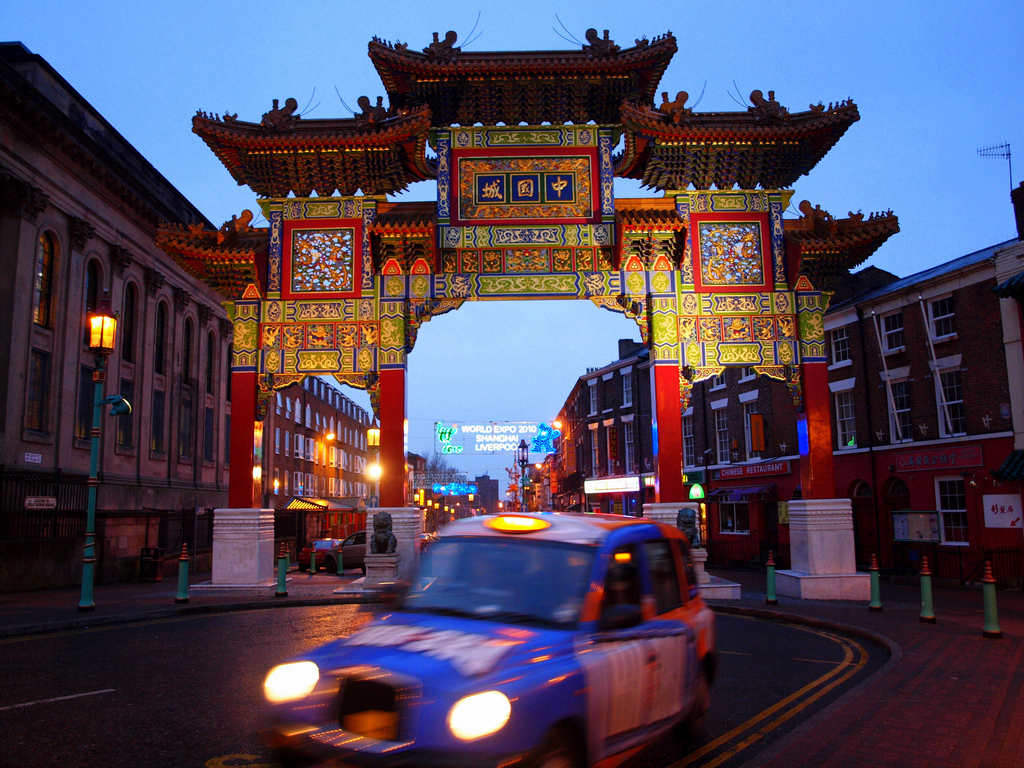
Though California is knows as a very culturally diverse state, Los Angeles especially is a very divers city. There are many ethnoburbs located with in Los Angeles, from Chinatown to Little Armenia we have many many cultures covered here.

The city of Los Angeles is made up of many industries, probably the most well known is the entertainment industry. We also have a booming financial industry as well has a very strong oil refinery industry. This city is home to many famous people as well as the down and out or transiants/homeless. Los Angeles is an ideal place for the homeless as the climate here is never too harsh. They will not freeze to death out in the elements here. 


We are also home to some of the nations most will off individuals the below mansion was sold in 2010 for over $50 Million.


Not only are the homes beautiful, we also have some very beautiful Mountains and Beaches. 


Saturday, October 18, 2014

One of my favorite parts of Los Angeles - The Los Angeles River

The Los Angeles River has gone from a naturally flowing river to a cement sided waterway. Recently the water way has been deemed a navigable waterway, it has been opened up to Kayaking and fishing. And now the Army Core of engineers has been working to turn it into a somewhat recreational green way. Bike paths are being installed the whole thing is being renovated.


Friday, October 10, 2014

Chapter 4 - The Political Economy

Los Angeles is made up of mostly Tertiary Sector jobs. Los Angeles is responsible for unloading the containerships as they come in to the harbor. There are many hospitals many service providers that work with the residents of Los Angeles on a daily basis. Los Angeles has a very large financial district as well as the corporate offices for many companies.


There is also some Primary and Secondary Los Angeles sits on an oil filed. Many large Oil companies have facilities in San Pedro.
Plya Del Rey 1930s

Not really sure where to categorize the Entertainment industry, I suppose it could fall under Secondary since a finished product comes out in the end. But at the same time a whole lot of the businesses that it supports and feeds into would be considered Tertiary. 


Sunday, October 5, 2014

Chapter 3 - Historical Setttlement

Some of the earliest tribes to settle the Los Angeles Basin were the Tongva & the Chumash.

       Tongva

  • We know that the Tongva people had been here for close to 7000 years. 
  • Their home range covered close to 4000 square miles.  
  • They were known to be one of the wealthiest tribe in California. 
  • The entire tribe was made up of nearly 5000 people. 
       Chumash

  • Territory once covered close to 7000 square miles
  • Hunter gatherers
  • Known as the finest boat builders among California area Natives


Both of these tribes were largely wiped out by the introduction of European diseases when the Spanish brought came through bringing with them their missions.


As with other tribes of Native American tribe small pox had a devastating effect on these people. It is estimated that European diseases accounted for approximately one third of the deaths of the California tribes.

In 1769 Portola & missionary Crespi reached what is now Los Angeles. In 1771 friar Junipero Serra brought the first Mission to the area. By 1781 fourty four settlers known as Los Pobladores made up of eleven families settled in the area and began calling it "El Pueblo de Nuestra Señora la Reina de los Ángeles del Río de Porciúncula" which translates to "The Town of Our Lady the Queen of Angeles of the Porciuncula River". The Porciuncula now known as the Los Angeles River. 


Sources

A Brief History of the Tongva Tribe by Rosanne Welch
Santa Ynez Band of Chumash Indians
Chumash Maritime Assiciation
California Mission Resource Center
City of Los Angeles


Friday, September 26, 2014

Chapter 2 - Environmental Setting


Los Angeles sits at apx 34 degrees North and 118 degrees West. We are currently in midst of the worst drought of our history. We are prone to earthquakes as the plates along the Pacific ring shift and we get very little rain fall. Our soils tend to be very sandy. Though there are some areas like the center of the San Fernando Valley that are a bit richer. The rest of CA is really better suited for agriculture. Though in our current state this is questionable. Oh yes.. and since it hasn't really rained here in year or so... we are also prone to Fires.

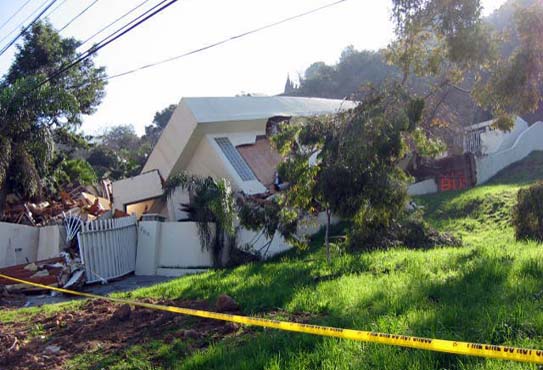
Wildfires which need water to be fought. Wildfires which burn up what little grass we have holding our hillsides together. So when we finally do get that rain, what happens??? Oh right,... Landslides, our lovely hills and houses and anything sitting on them just wash right down the hill.


Nitty Gritty Physiological Details about LA.
Weather - Hot Dry Summers, Cool winter (also pretty dry)
Climate - Mediterranean with some areas of Mid-latitude Step
Bio-geography - Mediterranean Shrub-land
Soil - Mostly Sandy/ Clay some areas of the San Fernando Valley have a richer soil ideal for citrus or grapes.


Saturday, September 20, 2014

Chapter 1 - Intro


Los Angeles has a long and rich history. Before the Mexican & Spanish settlers came into the basin there were great communities of Indians living in the area and there had been for hundreds of years.

This map from a UCLA professor shows where the different tribes were settled before the settlers arrived. California Indian Pre-contact Tribal Territories

In 1769  the Mexican & Spanish settlers came into the basin they established a permanent settlement bringing with them the catholic missions. In 1846 the US invaded Mexico from the east reaching San Diego by the end of the year. As they say, "the rest is history".

Los Angeles and most of California is part of the Pacific Coast Region, Los Angeles is in a Mediterranean climate. With hot dry summers and just slightly less hot and less dry winters.

Los Angeles has become one of the most divers melting pots for culture in the nation.

The missions, the changing path of the LA river, and entertainment industry and many other aspects are reflected in the changes that Los Angeles has seen over the years.

Photo by: Bill Gabel